Coriander/Cilantro: a potent natural aromatic detoxifier
A tasty healer...
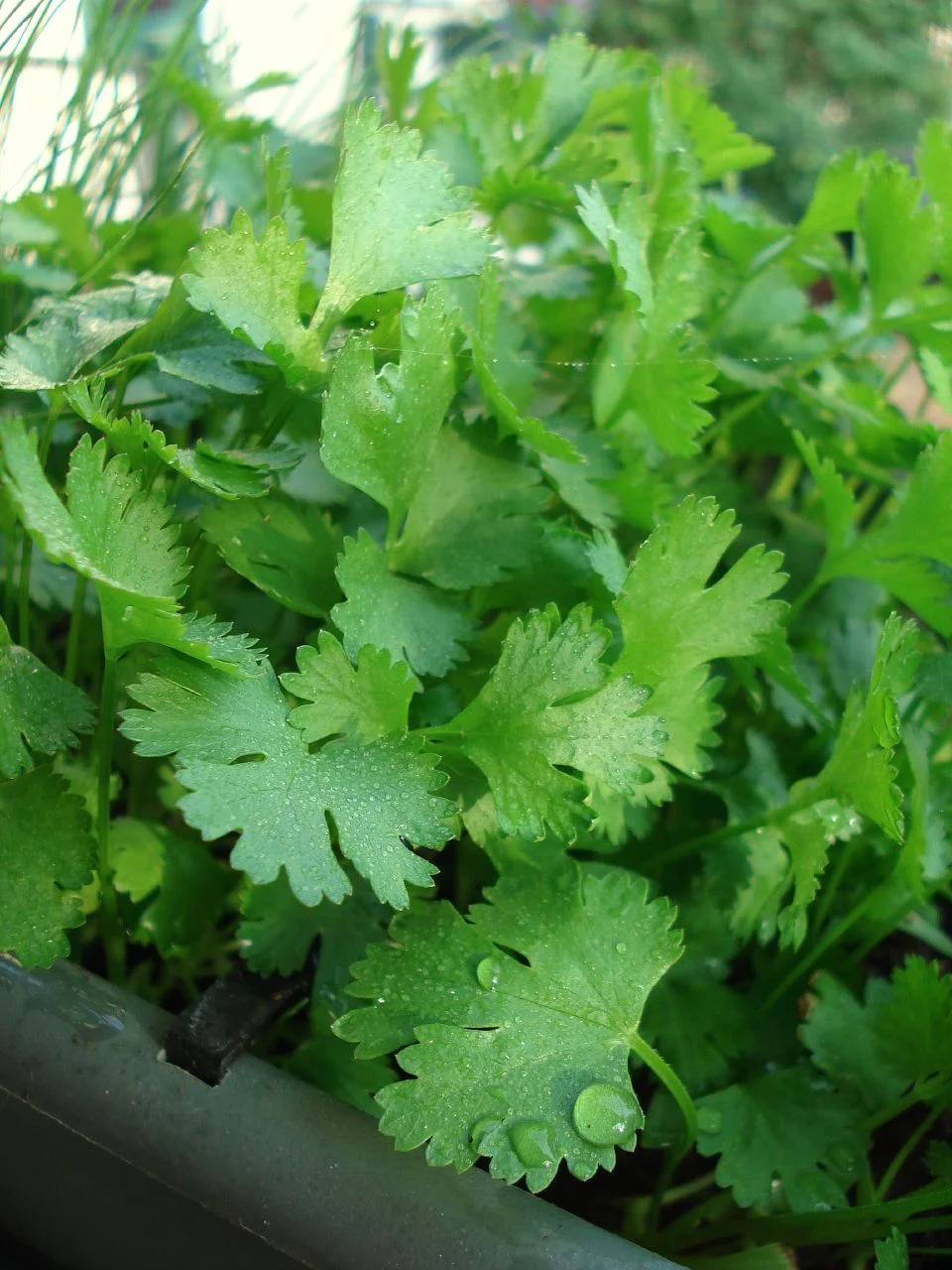
When you only eat real fresh whole foods, you discover so many new flavors and scents that you truly can't understand how people lost touch with the real taste of real food. I like to spice my dishes a lot, using different herbs and spices. And one I particularly love is coriander (or cilantro - same thing).
Coriander is an aromatic plant that grows all over the world today. Coriander essential oil was used in Ancient Greece as a compound for perfumes. It was also used during Medieval times by the Romans to mask the unpleasant smell of rotten meat. It is native to the Mediterranean regions and Western Asia. The Chinese love it in their cuisine (calling it "Chinese Parsley"). In India, it is commonly used as a spice in salad dressings, meat rubs and beverages.
Both coriander leaves and seeds (ground into powder) can be used to add a refined flavor to your dishes. But they are much more powerful than that, offering many health benefits for your skin, hair and overall health.
1. Supports Digestive Health
Coriander leaves and seeds have been used traditionally to help decrease digestive issues like bloating and flatulence. They help stimulate digestion and appetite, treat spasms of smooth muscles like the stomach, and relieve nausea and indigestion by increasing the amount of enzymes that process your food. They stimulate peristalsis (intestinal motor movement) and help move food throughout the digestive tract. Their effect is even stronger when combined with caraway, cardamom, fennel or anise seeds.
2. Natural Toxin Detoxifier
Coriander helps remove toxic metals from your body, including mercury. It contains chelation agents that remove toxins from your central nervous system and move them through the lymph system, where they are safely removed from your body.
This is why it is especially good to have coriander with foods that may contain higher levels of heavy metals, like seafood.
3. Rich in Antioxidants
Coriander herbs (with basil) have among the highest levels of beta-carotene and other potent antioxidants like flavonoids and polyphenols, which are anti-inflammatory:
- -Phenolic acids help slow down the ageing process and reduce the chances of chronic diseases like diabetes, coronary heart disease, strokes and cancers
- -Quercetin is anti-inflammatory and helps prevent histamine release
- -Kaempferol may help fight cancer and plays an important role in the prevention of chronic diseases
4. Supports Your Immune System
Coriander seeds and herbs are:
- -Antimicrobial
- -Antifungal
- -Antibacterial (can protect from salmonella poisoning, kills bacteria that cause bad breath and gingivitis)
- -Analgesic
- -Anti-inflammatory
Applied topically (diluted essential oil), it helps treat minor skin infections and chest congestion.
5. Helps Relieve Stress and Anxiety
Coriander seeds contain 70% linalool, a powerful antioxidant that also provides coriander with its pleasant smell. Linalool has powerful sedative and anxiety-reducing properties. The muscle-relaxing and sedative qualities help calm nerves and decrease overall stress levels.
Because coriander is also rich in Magnesium and Vitamin B, it helps promote restful sleep and combat insomnia.
For therapeutic benefits: 1-5g of coriander powder, 3 times a day.
6. Other Health Benefits
- -Helps balance blood sugar levels
- -Helps decrease insulin resistance
- -Helps improve cholesterol ratios (decreases triglycerides, increases HDL)
- -Helps improve blood pressure
- -Helps improve overall heart health
Anti-cancer properties: When you cook food at high temperatures, Heterocyclic Amines (HCAs) are formed - and these are linked to cancer. By adding spices, especially coriander seeds, you considerably reduce the formation of those HCAs. Coriander is even more potent when used as a rub or marinade for meats.
A Note on the Taste
People seem to love or hate coriander. This is because its aldehyde chemicals give it a pungent smell that is balanced by grassy, lemony notes. Some people (apparently it is genetic) are more receptive to the aldehyde than to the pleasant notes, which explains why they don't like it. But nevertheless, even those people should try adding coriander to their food in creative ways - added to vegetable juices, sauces, marinades, salads.
I personally LOVE coriander. I regularly add it to my raw salads, because it gives my green mix an extra spicy, very refined taste. Don't always choose parsley - variety is key.
In Health and Happiness,
Stephanie
Stephanie Cuesta
All Articles
