Tea Tree Oil: the Australian powerful Essential Oil
Why this is always in my bathroom.
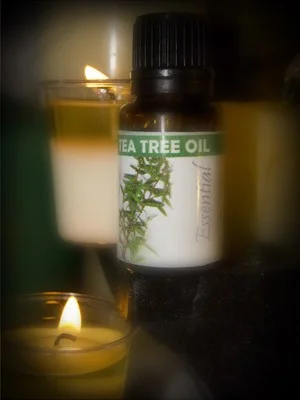
I have already talked about my favorite essential oils: Frankincense, Peppermint and Oregano oil. It was time to talk about the other one that I am using almost every day: Tea Tree Oil.
Tea Tree Oil is made from the leaves of the tea tree plant, an Australian native plant (Melaleuca alternifolia) from the myrtle tree family.
Primitive Australian communities have been using those leaves as a highly effective therapeutic natural medicine. They used to crush the tea tree leaves and apply the mixture especially on cuts, burns or any skin infections.
Today, science is catching up and recent studies and medical research have shown the powerful healing properties of this oil.
Tea tree oil is known to be a beneficial healing agent with antifungal, antibacterial, antiviral, antiseptic and antimicrobial therapeutic benefits.
Tea tree oil became more famous in the 1920s, and then in the 1930s and 1940s when Australian doctors were sending it to their troops in first aid kits during World War II to help quickly heal wounds and prevent further infections.
There are more than 100 active components in tea tree oil. The most potent and active ones are the so-called terpenes: monoterpenes, sesquiterpenes and their alcohols. These terpenes are very potent active ingredients that are volatile, aromatic and travel through air, skin pores and mucus membranes.
Most Common Uses of Tea Tree Oil
1. In aromatherapy Add a few drops in a hot steaming bowl of water and breathe in deeply. This will relieve and help fight chest or head congestion, and any other flu or cold symptoms (stuffy nose, headaches).
2. Topical use with a carrier oil Mix a few drops of tea tree oil with coconut oil for an effective anti-acne skincare. Tea tree oil has also been often used to help treat fungal infections like toenail onychomycosis. Always use with a carrier oil to dilute it and improve its benefits.
This also helps combat bacterial infections, especially on wounds. Some studies have shown that tea tree oil may even help treat severe infections like MRSA - this shows how effective and potent this essential oil can be, even more so than some industrial antiseptics.
3. Mouth and teeth health Mix some drops of tea tree oil with coconut oil and swish it around your mouth for a few minutes. This will help kill all harmful bacteria and protect your teeth and gums. It also helps with bad breath, which is sometimes due to bad bacteria flora in the mouth and gut.
Important: Do NOT swallow tea tree oil - it can be too aggressive for your internal tract. Tea tree oil is best used topically or as a mouth wash, not swallowed.
4. Other common uses Due to its powerful antibacterial, antiviral and antifungal benefits, tea tree oil is also used to help treat:
- -Cold sores
- -Earaches
- -Congestion and respiratory tract infections
- -Psoriasis
- -Itchy insect bites
- -Sunburns
Tea tree oil is also often added in shampoos, skin lotions or face wash to help clean and kill bad bacteria naturally.
5. Household uses
- -Antimicrobial laundry freshener
- -Insect repellent
- -Mold killer (when diffused in the air)
- -Overall household cleaner
Get creative and use it as much as you can to replace harmful chemical-laden house cleaning products. Tea tree oil is a powerful disinfectant that is non-poisonous and gentle.
Studies are also investigating its potential therapeutic benefits to help fight skin cancer - the Journal of Dermatological Sciences published a study showing its rapid effect on reducing cancerous tumors by boosting the immune system.
Dosing Guidelines
- -Treating acne: 5-15% tea tree oil in your mixture
- -Treating fungal infections: 70-100% tea tree oil
- -Always start with small doses to evaluate your tolerance
My Personal Use
I love the smell of tea tree oil. I always add a few drops to my Epsom salt bath, together with other essential oils.
I also add it sometimes to coconut oil and baking soda for an amazing efficient mouthwash.
I recently burnt myself with extra hot coconut oil (a holistic cooking accident!) and have been applying regularly aloe vera with tea tree oil and lavender oil on my wounds. It is healing beautifully - nothing got infected.
As always, I trust nature much more than anything chemical in the modern pharmacy. It is up to us to educate ourselves and to know when and how to use those magical natural healing plants.
In Health and Happiness,
Stephanie
Stephanie Cuesta
All Articles
